A website is no longer an achievement. It’s a starting point.
Having a website today is no longer a competitive advantage. Almost every business has one. The real question—the one most people avoid—is much simpler and more uncomfortable:
Is my website working for me… or is it just sitting there?
A website that works is not measured by how good it looks or how long it took to build. It is measured by results. And results are understood through metrics. Not to become obsessed with numbers, but to use them for what they are: clear signals that show whether you are moving in the right direction or not.
In this article, we will walk through the key website metrics that allow you to know—without guesswork or false intuition—whether your website is truly fulfilling its purpose.
Traffic shows visibility, not success.
The number of visits is usually the first metric people look at, and that makes sense. Without visitors, there is no conversation. However, the most common mistake is confusing visits with results.
This metric tells you whether people are finding your website. If traffic grows over time, it’s a good sign that something is working—SEO, ads, social media, or referrals. But if visits increase and nothing else changes, the issue is not traffic. The issue is what happens after people arrive.
Example:
An accounting firm receives 3,000 monthly visits thanks to well-ranked blog posts on Google. It sounds impressive. But if visitors read and leave without contacting the firm, the website is educating—but not converting.
Traffic is the beginning of the journey, never the goal.
A high bounce rate is often honest feedback.
Bounce rate shows the percentage of users who enter a page and leave without interacting further. No clicks, no navigation, no next step. Just an exit.
A high bounce rate is uncomfortable, but valuable. It often means the content doesn’t match what users expected, the design creates distrust, or the message fails to connect emotionally. It is not always negative, but it should never be ignored.
Example:
A marketing services landing page shows an 85% bounce rate. After reviewing it, the owner discovers the page loads slowly and talks more about the company than the client’s problem. People didn’t reject the offer—they felt unseen.
When bounce rate repeats on key pages, it’s a message worth listening to.
People stay when they feel guided, not pushed.
Average time on page reveals how long visitors stay reading or exploring content. It is a quiet metric, but a powerful one. When people stay, something is holding their attention.
A healthy time on page usually reflects clarity, structure, and a message that flows naturally. It’s not about writing long content for the sake of length, but about leading the reader as if you were speaking directly to them.
Example:
Two articles cover the same topic. One has 300 words and an average time of 25 seconds. The other has 1,500 words, clear examples, and strong subheadings, with an average time of 3 minutes. Google notices. And so do potential clients.
A good website invites the next step.
This metric shows how many pages a visitor views during one session. A low number often means the website fails to spark curiosity. A higher number suggests trust, interest, and logical flow between pages.
A well-designed website does not leave visitors guessing. It guides them, anticipates questions, and suggests the next step naturally and without pressure.
Example:
A real estate website notices visitors go from a property listing to the “About Us” page and then to the contact form. The average is four pages per session. That’s not luck—it’s a thoughtfully designed experience.
If it doesn’t convert, it doesn’t fulfill its purpose.
This is the metric that separates decorative websites from effective ones. A conversion is any valuable action: a form submission, a call, a WhatsApp message, a download, or a purchase.
It doesn’t matter how elegant a website looks. If it doesn’t convert, it’s not doing its job. Measuring conversions forces you to answer one essential question:
What do I want people to do when they arrive?
Example:
A nutritionist receives very few inquiries. After tracking conversions, they realize the contact button is hidden at the bottom of the page. By moving it up and clarifying the message, inquiries double—without increasing traffic.
Not all traffic has the same intention.
Knowing where visitors come from is just as important as knowing how many arrive. Organic traffic often reflects genuine intent. Paid traffic brings speed. Social media creates visibility. Referrals build trust.
Understanding this mix helps you invest time and energy where it truly matters.
Example:
A company discovers 70% of inquiries come from Google, while only 5% come from Instagram. Instead of forcing daily social posts, they focus on SEO and increase returns without burning more energy.
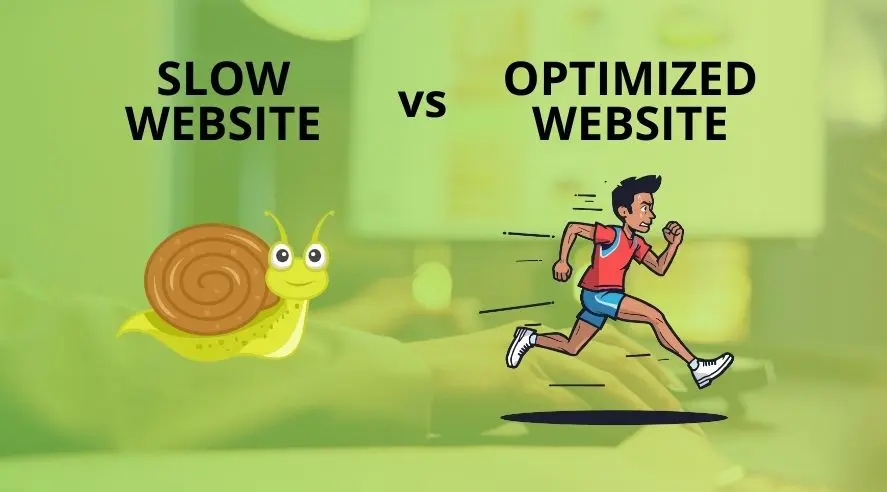
A slow website creates rejection before the message speaks.
Website speed directly impacts bounce rate, SEO, and perceived professionalism. Today, waiting equals distrust. Visitors don’t complain—they simply leave.
Speed is invisible when it works and painfully obvious when it doesn’t.
Example:
An online store compresses images and upgrades hosting. Load time drops from six seconds to two. Sales increase by 20%. No one says “your website is fast,” but everyone buys more.
People return only where they found value.
This metric shows how many users come back to your website. Returning is a form of trust. No one revisits a place that gave them nothing.
A strong percentage of returning users reflects clarity, relevance, and the beginning of a relationship—not just a visit.
Example:
A local business blog notices many users return weekly. This audience later becomes the foundation for a paid service built on existing trust.
Data helps you listen before you decide.
Metrics are not meant to intimidate or impress. They exist to bring clarity. A website that works is not perfect—it improves constantly because it listens to what the data reveals.
If your website doesn’t convert today, it doesn’t mean it failed. It means it’s speaking to you. And when you learn to listen, you start making better decisions.
Because in the end, a website is not a collection of pages.
It’s a conversation.
And metrics tell you whether someone on the other side is truly listening.